Hugh Wessel

Comparative Data Analysis of Legacy Concurrent Engineering Studies

Vergleichende Datenanalyse von Concurrent Engineering Studien

Diplomverteidigung // 01.04.2022

Introduction

Motivation

  • Over 70 Concurrent Engineering (CE) studies carried out in the DLR Concurrent Engineering Facility (CEF)
  • Large amount of raw engineering model data generated during the conceptual design process
  • Version Control Systems (VCS) enable retrieval of each intermediate version (or "commit") of a given engineering model
  • Interest in leveraging this data to gain new insights into the progression of design parameters during CE studies

Underlying questions

  • What "standard" parameters can be extracted from CE model data for comparison - despite variations in data format and naming conventions - and how?
  • How can time-based parameter evolution be visualised in order to facilitate identification of tendencies and correlations?
  • What potential does this approach offer for assisting or improving the CE process?

SOURCE: DLR

Tasks

  • Investigate existing work on reuse of CE model data
  • Select engineering parameters and CE studies of interest
  • Develop tool for extracting data from selected CE models
  • Define and evaluate potential visualisation methods
  • Apply visualisation methods and analyse application potential
  • Assess the results efficacy of applied visualisation methods
  • Suggest possibilities for further work

Background

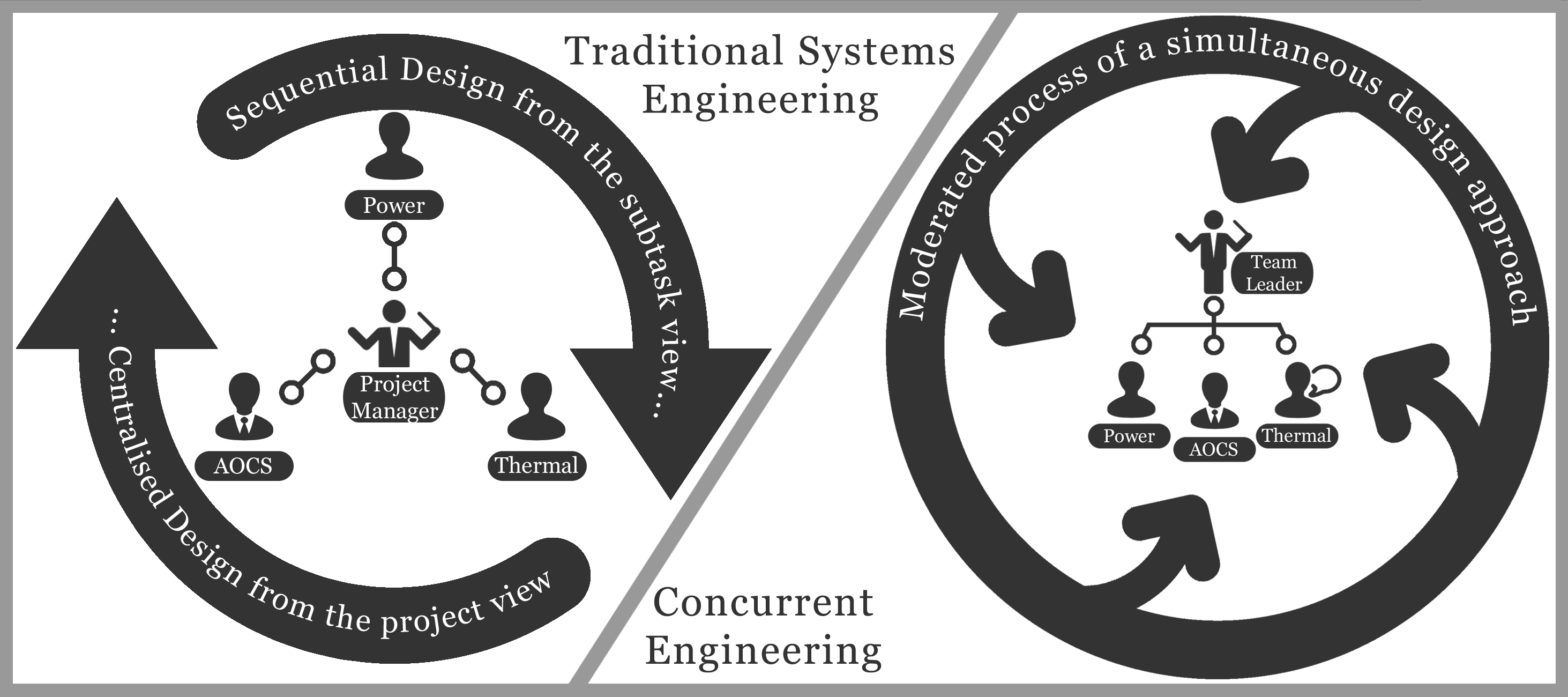
Concurrent Engineering (CE)

  • Engineering process based on parallel interaction between domain specialists
  • Typical Concurrent Engineerig study lasts 3-5 days, all domain experts in same location
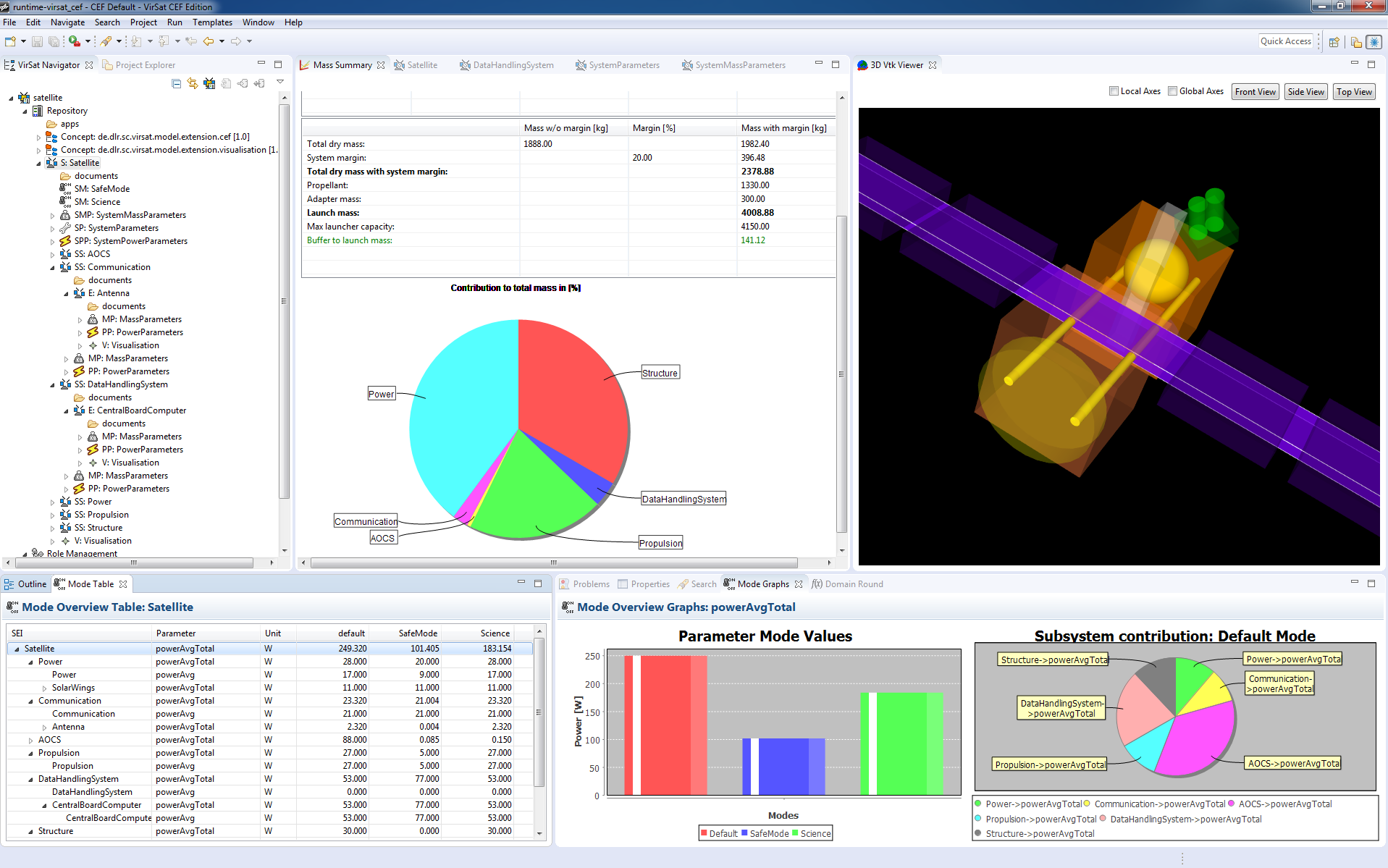
  • Usage of shared data model with tracked incremental updates

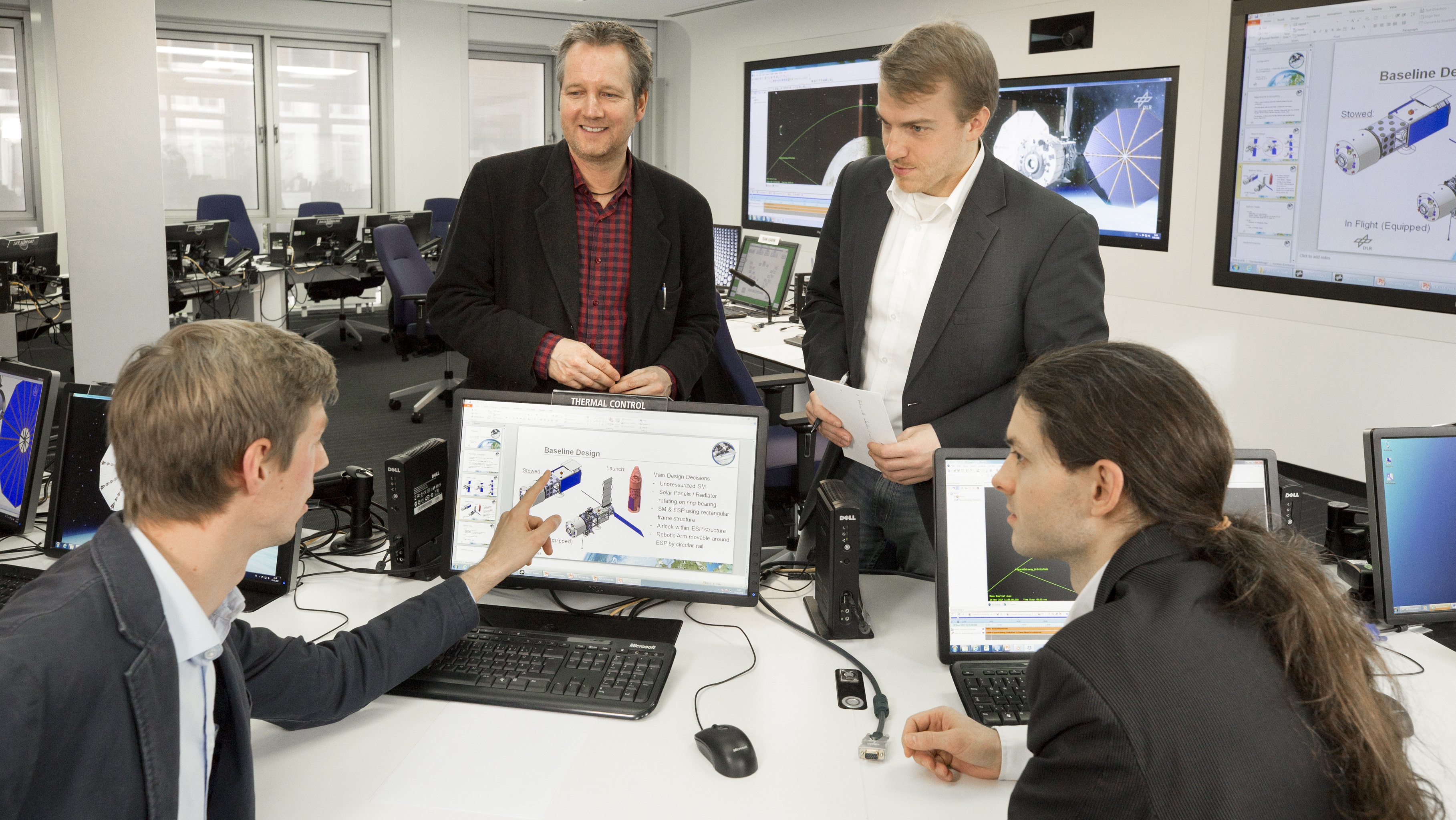
Concurrent Engineering @ DLR

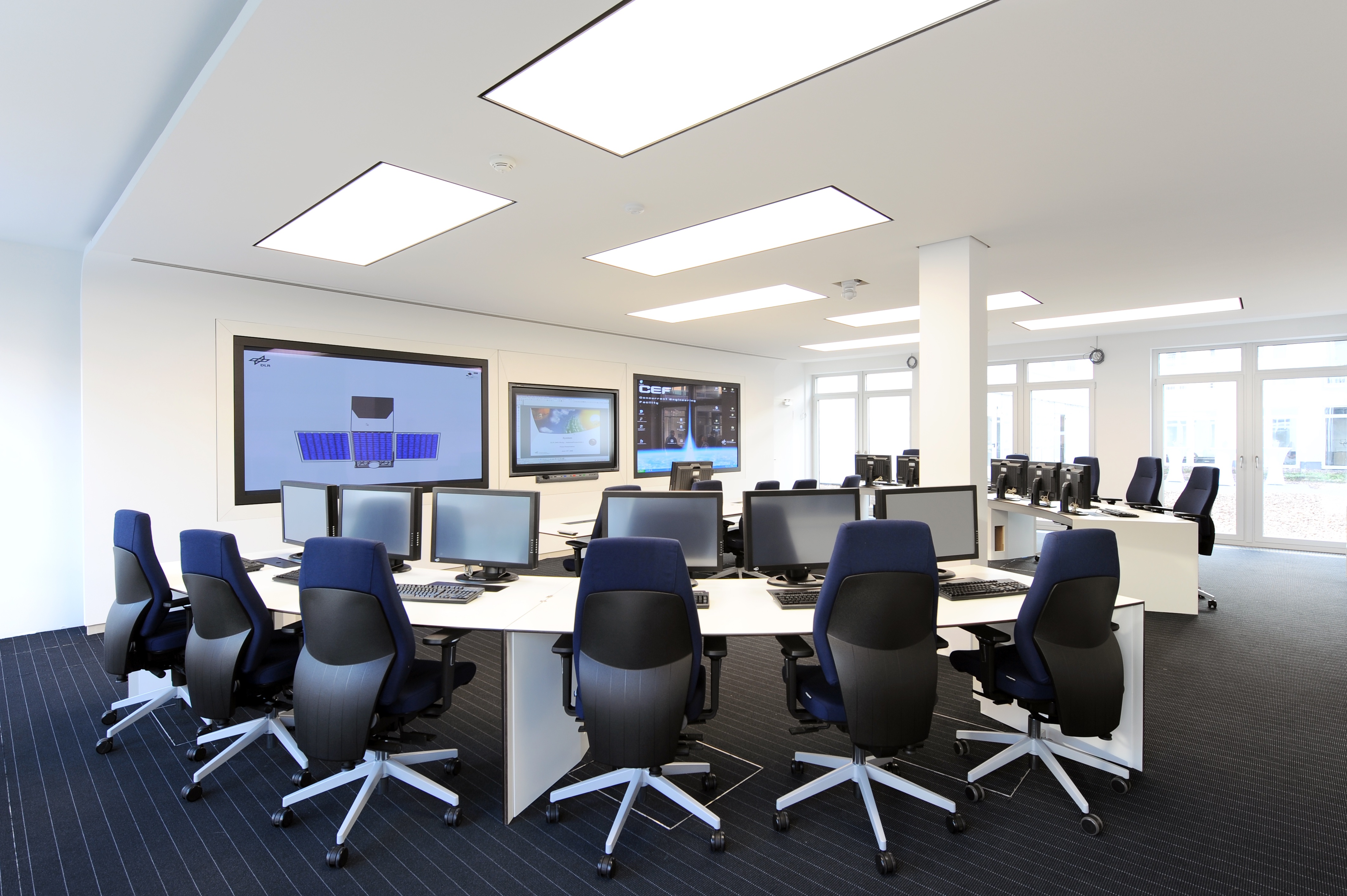
  • Concurrent Engineering Facility (CEF) at DLR Institute for Space Systems in Bremen
  • CE process supported by inhouse software Virtual Satellite
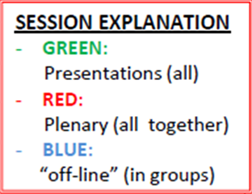
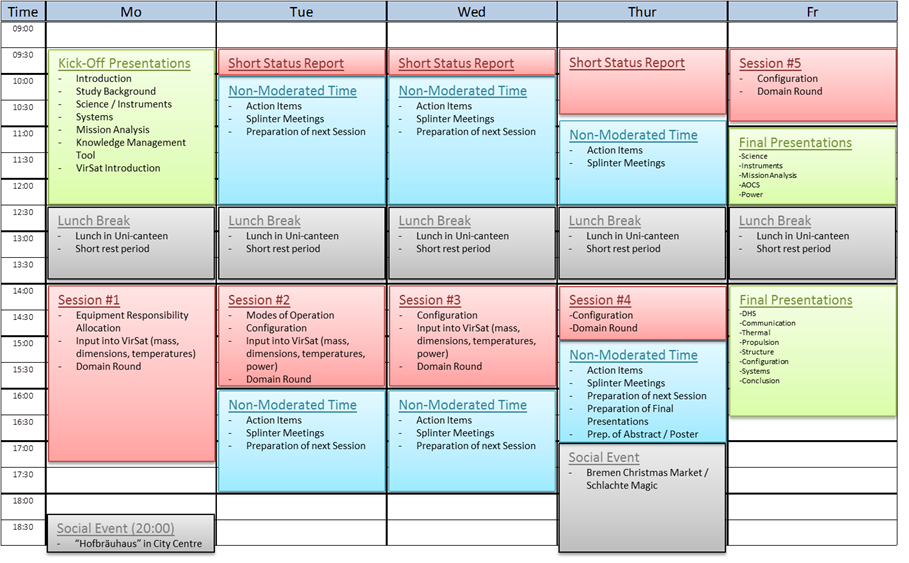
  • Typical study schedule consists of:
    • Presentations (kick-off, intermediate, final)
    • Domain round sessions
    • Non-moderated time

SOURCE: DLR

SOURCE: DLR
SOURCE: DLR
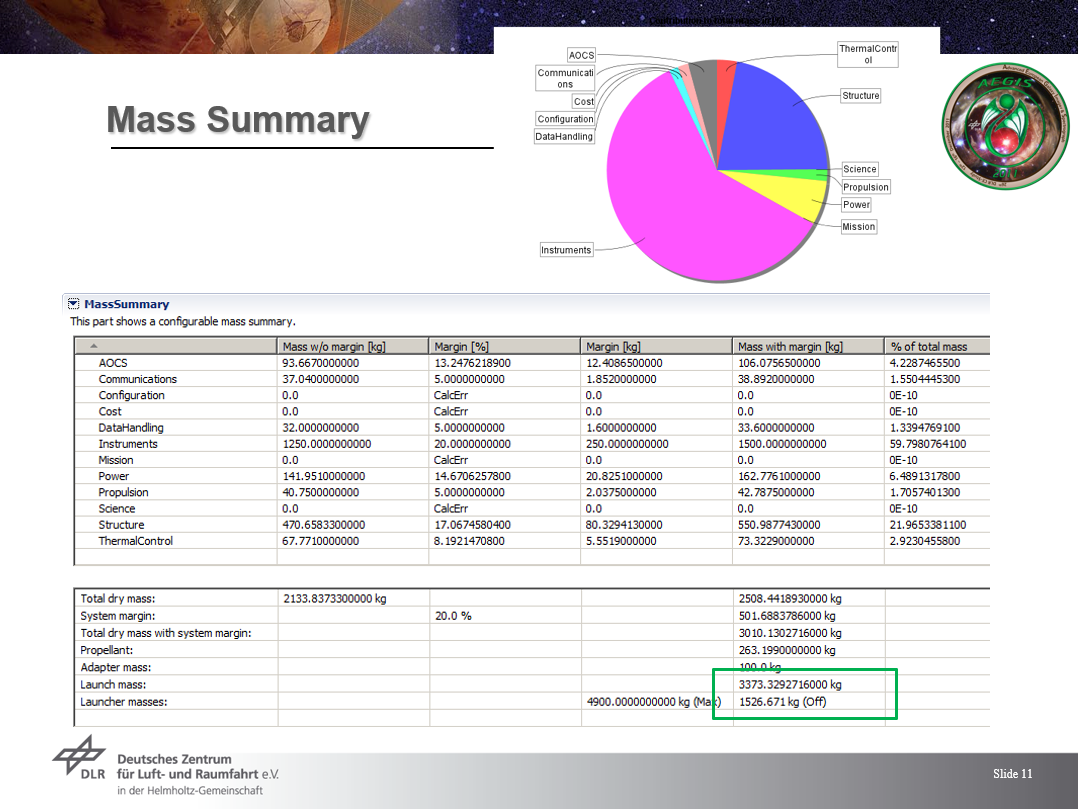
SOURCE: DLR CEF - AEGIS Documentation

Starting point

  • No example of comparative analysis of CE data found in the literature
  • Code demonstrating readout of raw values from local Virtual Satellite model files
  • Brainstorming session with CE experts at DLR

Available reference material

  • Portfolio of DLR CEF studies
  • Archived documentation of studies carried out in the CEF
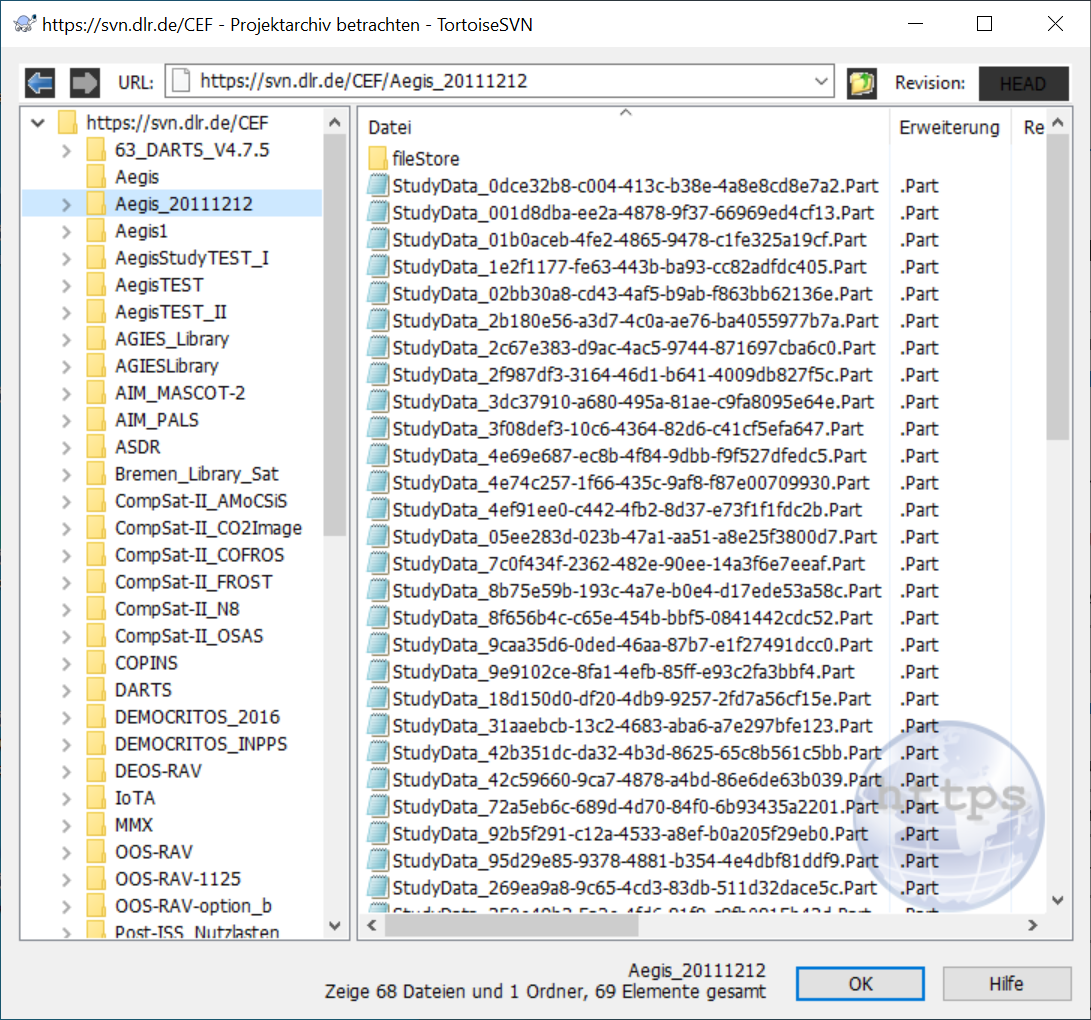
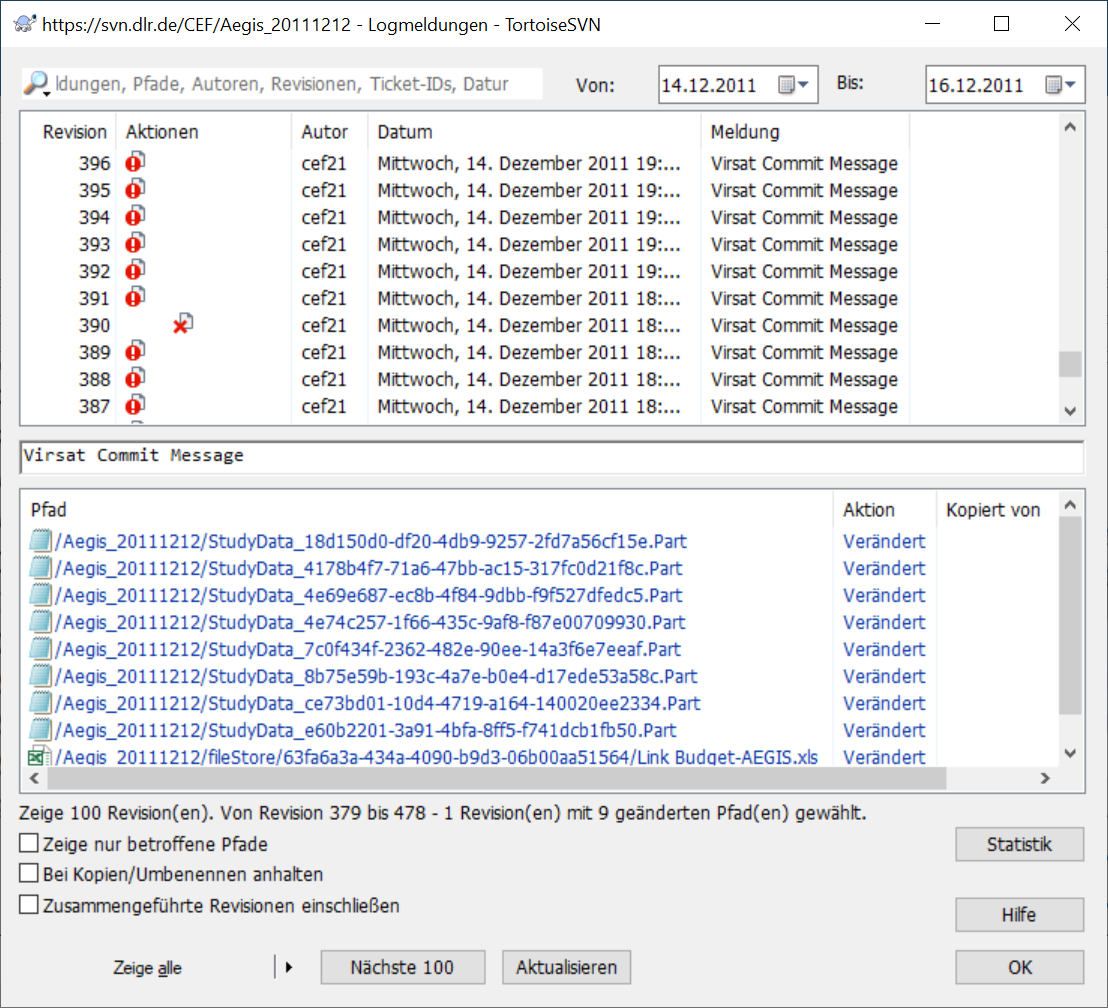
  • Versioned model data stored in SVN repositories

SOURCE: DLR

SOURCE: DLR

SOURCE: DLR
SOURCE: DLR
Multi-Disciplinary Design Optimisation

  • Numerical technique for optimising system design parameters for given objective function & constraints by leveraging parameter interdependencies
  • Thesis from Sanabria suggests an appropriate MDO method for DLR CEF but implementation requires better understanding of inter-parameter dynamics [1]

Model Reuse

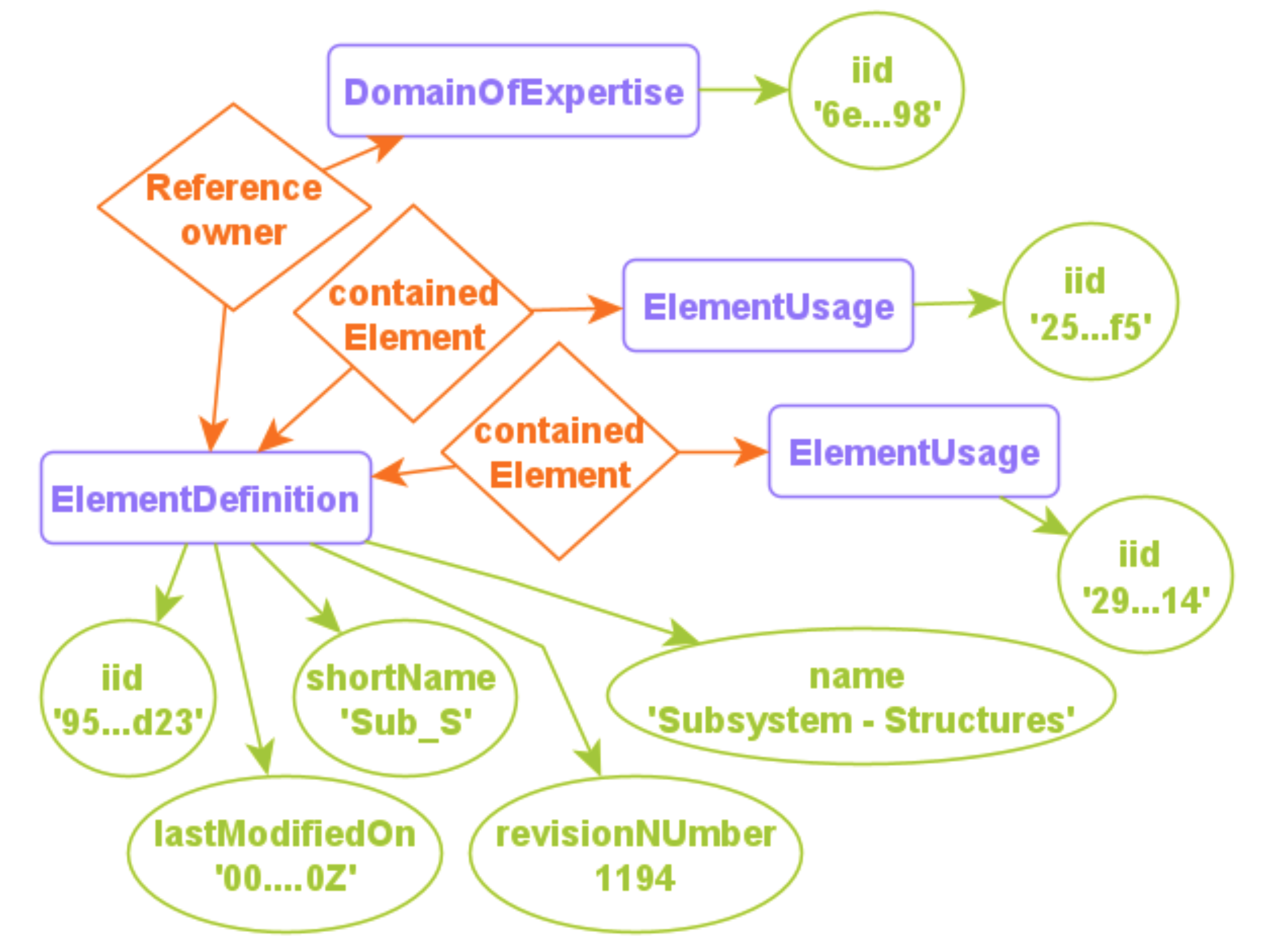
  • Natural Language Processing applied to extract information from existing engineering models [2]
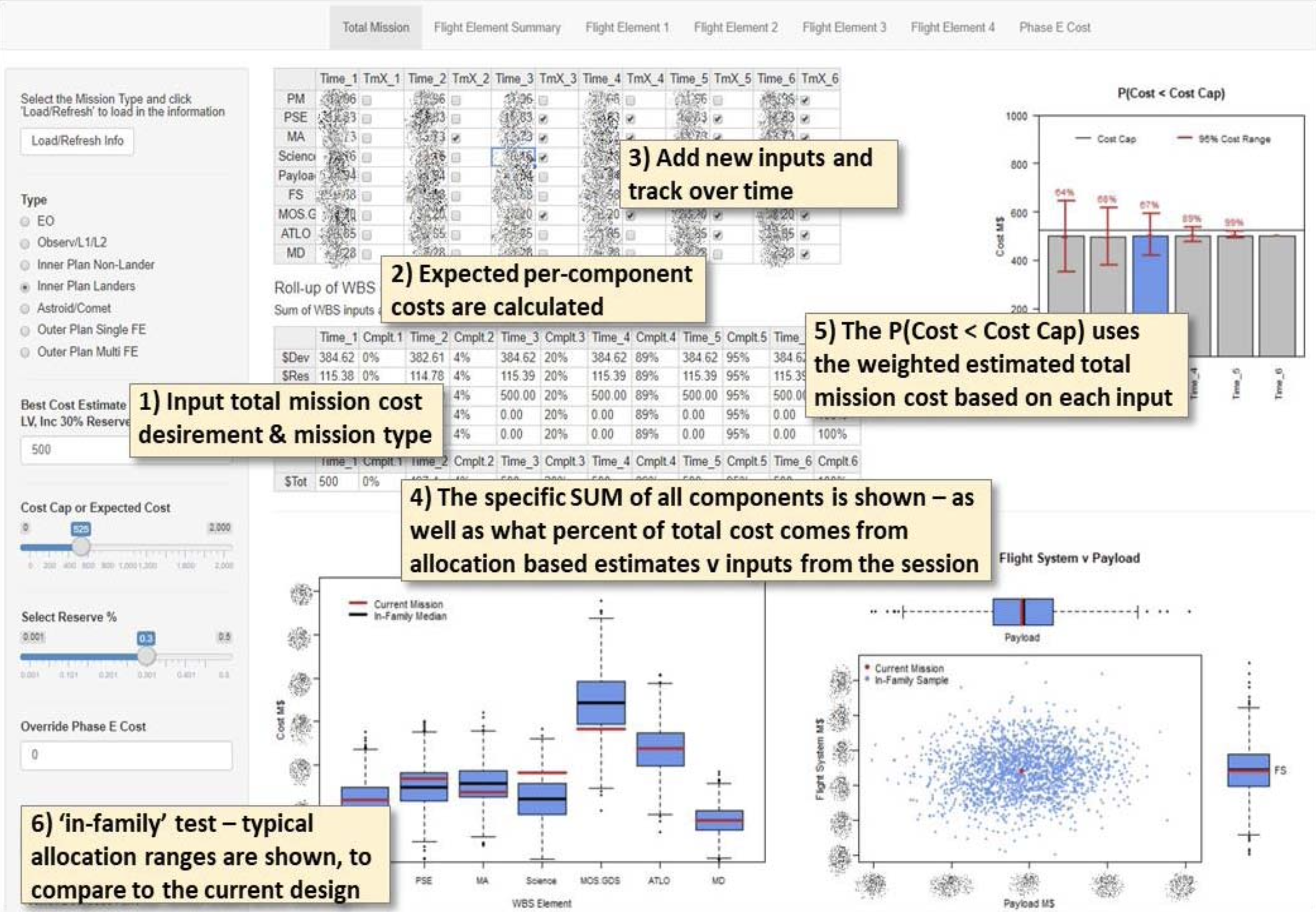
  • Statistical analysis of past studies to predict feasibility of a design concept in progress before completion [3]
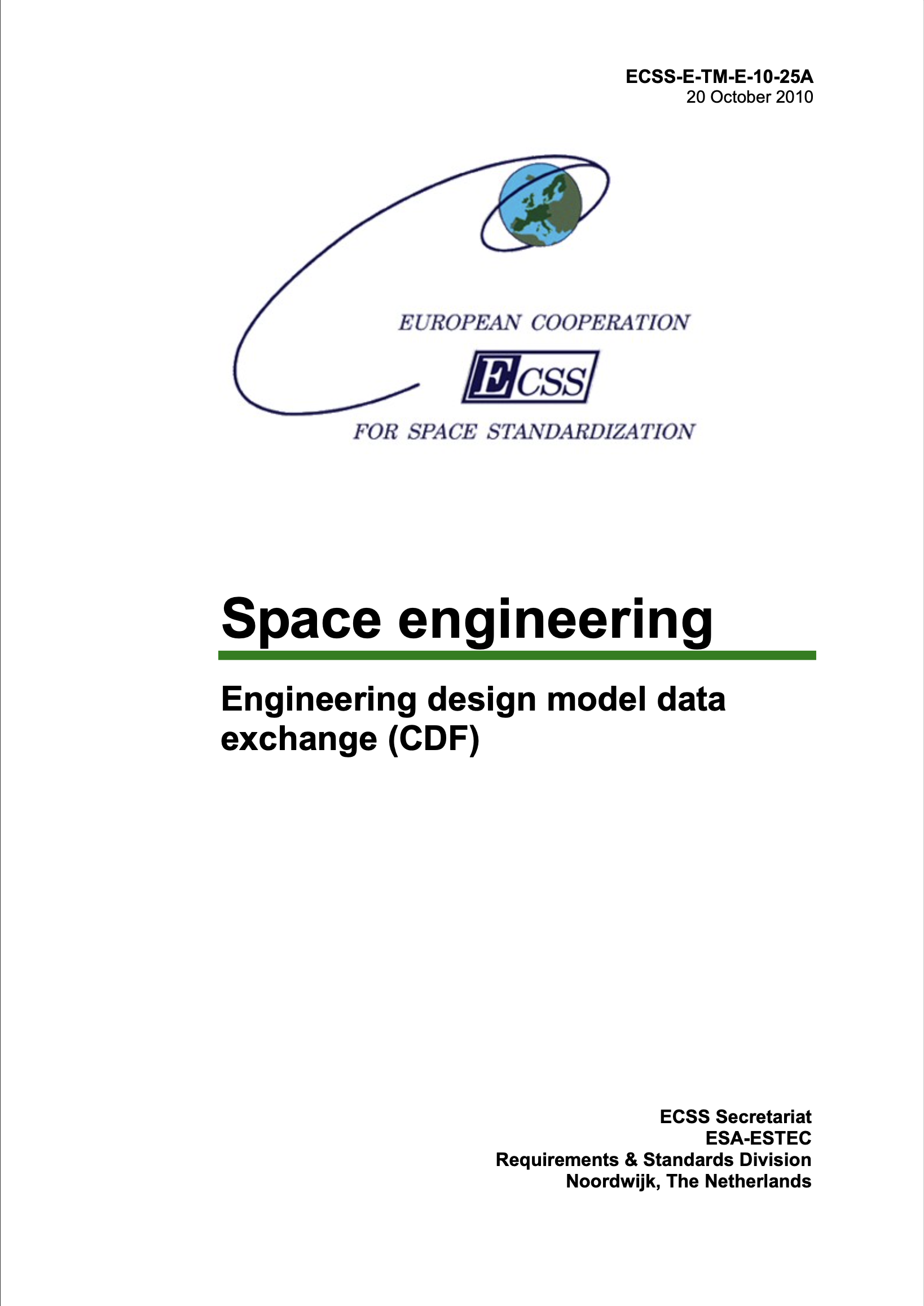
  • Common data format recommended for exchange of concurrent engineering data between organisations [4]

SOURCE: [2]

SOURCE: [3]

SOURCE: [4]
Procedure

Scope of considered studies and parameters

  • Brainstorming session with DLR CEF specialists
  • Study selection constrained by data format and available repositories -> 22 studies
  • Parameter selection constrained by usage of data model -> system launch mass and average power usage most common

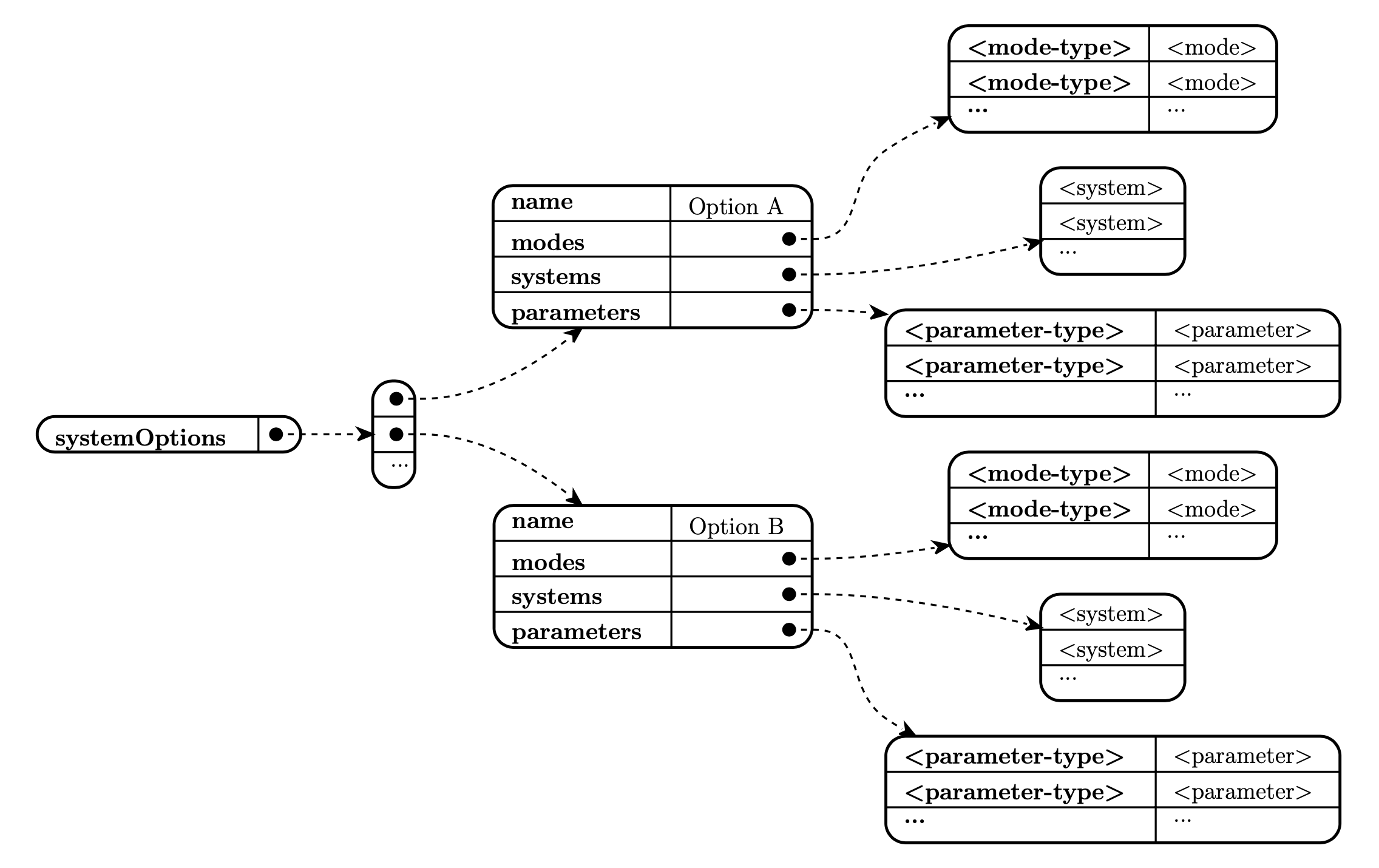
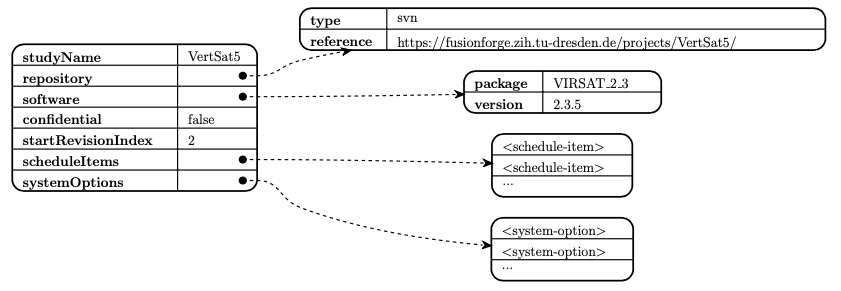
Metamodel for description of CE studies

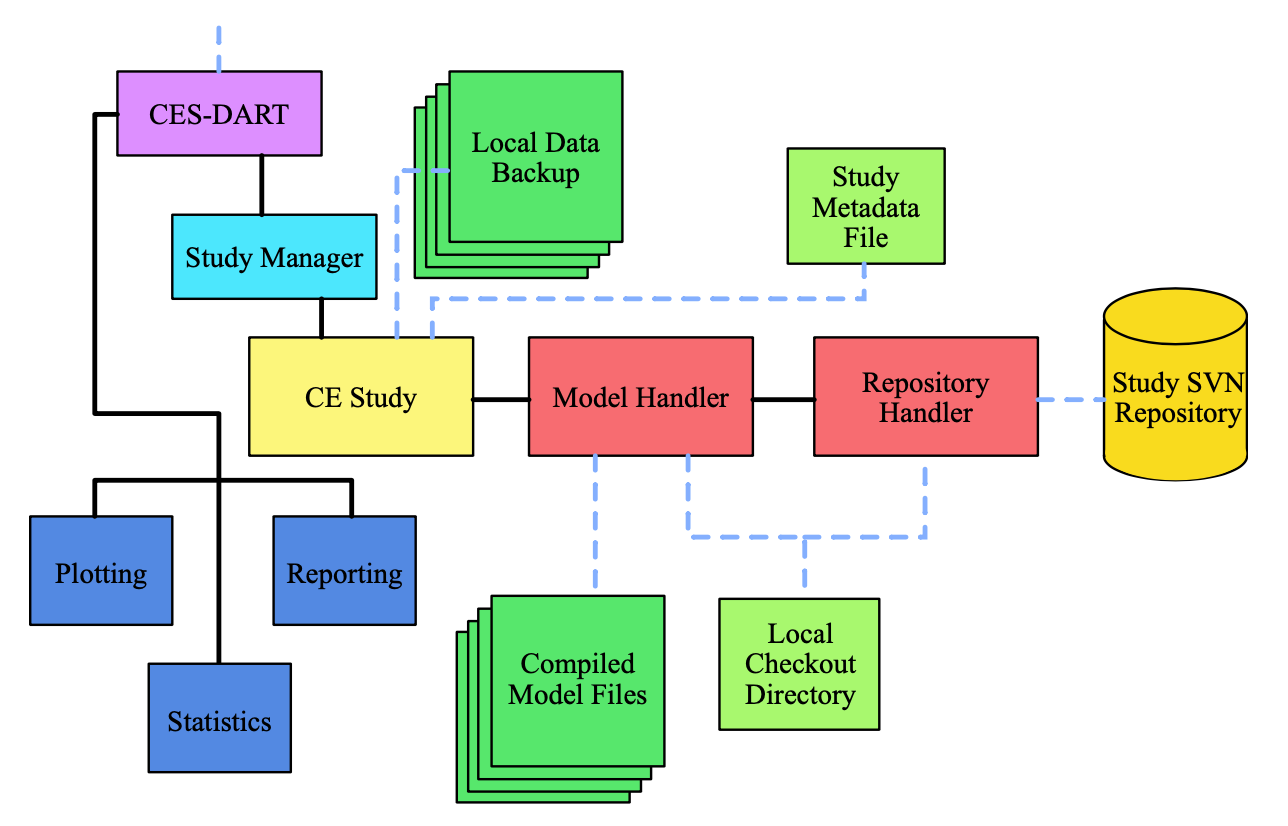
Code hierarchy

Results & Discussion

Individual analysis on example of ASDR-II

Conclusions and outlook

Summary

  • Presented an overview of existing work on reuse of CE model data
  • Identification and semi-automated extraction of comparable parameters
    • "launch mass", "average power usage" common to all considered studies, whereas "cost", "delta-V" rarely defined
    • "number of components" as qualitative measure of level of detail, "number of commits" as number of iterations
    • Number of subsystems, number of system modes
  • Semi-automated generation of parameter visualisations
    • Commit and schedule block based timescale more effective for individual analysis
    • Parameter breakdowns hard to process visually without adjusting scales
    • Integration of schedule data into parameter history plot
  • Suggestions made for potential applications of the approach

Further work

  • Detailed analysis of individual studies using extracted data together with additional documentation
  • Further development of data extraction tool to support other data formats
  • Extension of study metamodel to enable extraction and categorisation of further model aspects (e.g. "standard" subsystems)
  • Expansion of visualisation capabilities:
    • Plots comparing design parameter evolution between multiple studies
    • Plot different system and subsystem parameters against each other (e.g. average power usage against launch mass)
    • Generation of diagrams with dynamically adjustable value scales for easier exploration of parameter breakdowns

Bibliography

  • [1] - Sanabria, O.: ”Multi Disciplinary Design Optimization and appropriate recom- mendations to DLR Engineering Processes”, Master Thesis. Bremen (2020)
  • [2] - Audrey Berquand, Annalisa Riccardi: From Engineering Models to Knowledge Graph: Delivering New Insights Into Models, in: 9th International Systems & Concurrent Engineering for Space Applications Conference, SECESA 2020 (2020)
  • [3] - Youmans, T. A., Hihn, J. M.: ”Avoiding the impossible: Re-focusing a non-feasible mission 2-hrs into a 3-day engineering session”, 2018 IEEE Aerospace Conference, IEEE, S. 1-14 (2018)
  • [4] - ”ECSS-E-TM-10-25A - Engineering design model data exchange (CDF)”, ECSS Secretariat (2010)

Vielen Dank für Ihre Aufmerksamkeit